Beige Floor Tiles: 10 Beautiful Flooring Ideas for Every Room
Choosing the right floor can influence how an entire room feels, especially when the flooring covers a large part of the visual space. Beige floor tiles offer a flexible starting point because they can look refined, earthy, contemporary, or traditional depending on their material, size, finish, and pattern. They can also work as a quiet backdrop when you want furniture and accessories to take center stage.
From marble-inspired porcelain and wood-look planks to terrazzo and mosaic designs, these flooring options offer very different results even within the same beige palette. Here are ten ideas to help you choose a beige floor that suits both your room and your everyday needs.
You can also explore on our Pinterest Board for more Beige Home Decor Inspirations.
1. Beige Marble-Look Porcelain Tiles
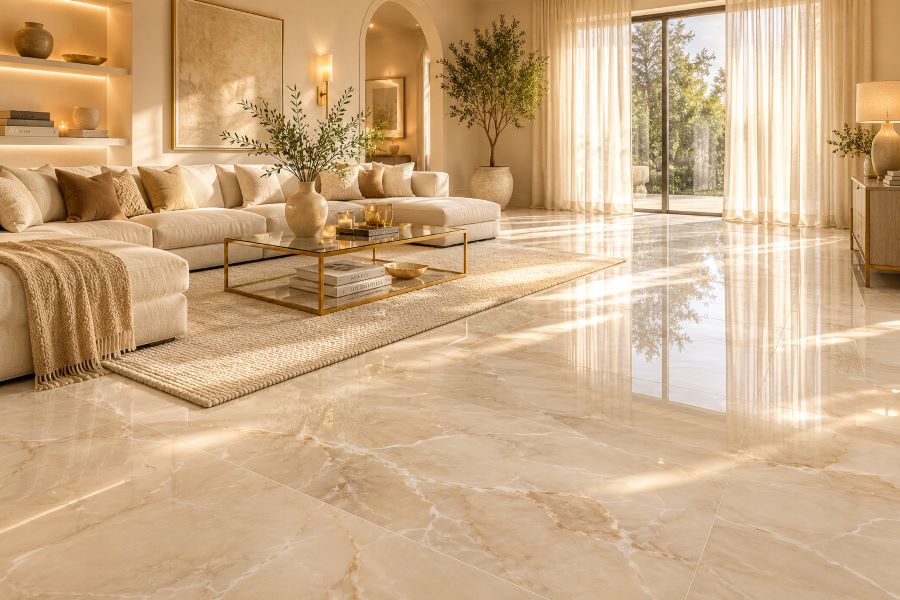
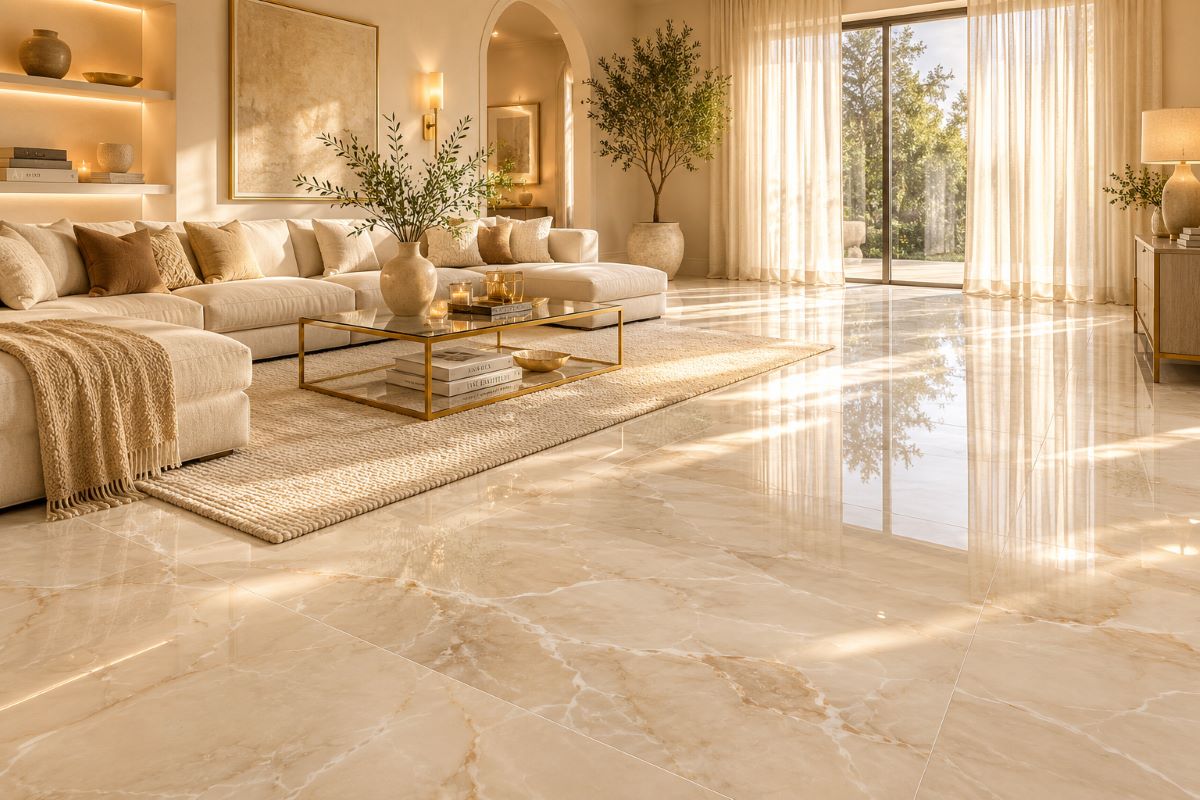
Marble-look porcelain is a strong choice when you want the visual movement of natural stone without making the floor the entire focus of the room. A beige base with delicate veining can introduce variation across a large surface.
The scale of the tile makes a noticeable difference. Large-format pieces can give an open living area a more continuous appearance, while smaller formats may work better when the room benefits from additional pattern. The direction and density of the veining should also relate to the size of the space.
Why Beige Marble-Look Porcelain Works So Well
- Creates the appearance of natural stone
- Offers a durable surface for busy rooms
- Perfect for both modern and classic furniture
- Large formats can reduce visual interruptions
- Beige veining blends easily with neutral interiors
This flooring looks especially polished with cream upholstery, natural oak, understated metal accents, and simple wall treatments. If the room already contains several patterns, choosing a quieter marble pattern will prevent the finished space from feeling visually crowded.
2. Beige Ceramic Floor Tiles
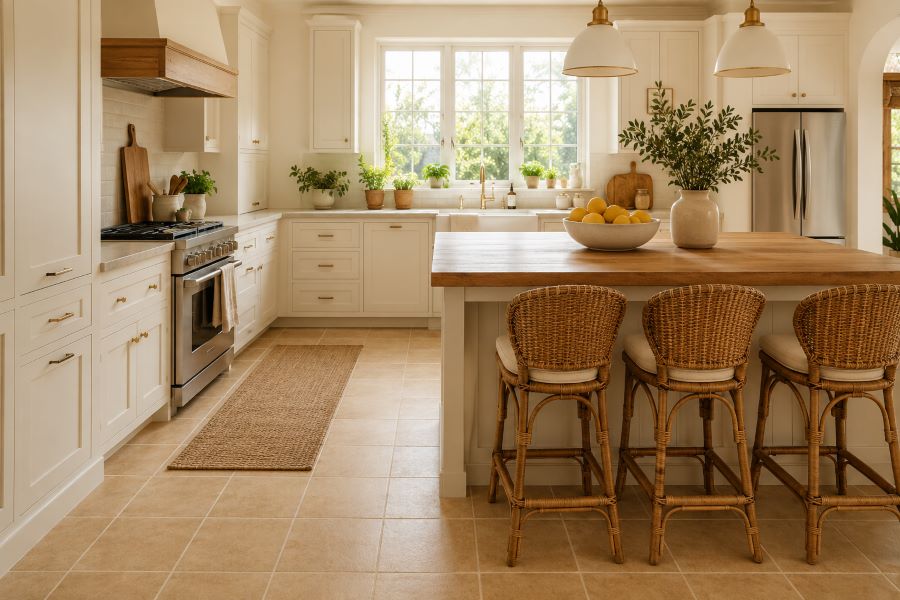
Ceramic flooring can be a practical option when you want a straightforward beige surface with plenty of design flexibility. Rather than relying on one particular stone effect, ceramic tiles are available in a wide range of textures, sizes, and finishes.
A slightly varied beige can work particularly well in kitchens, utility spaces, and other areas where a completely uniform floor might show every mark or piece of everyday debris. The final appearance will depend heavily on the tile’s surface and grout choice, so it is worth considering both together rather than selecting a tile in isolation.
In a softer interior, pair the flooring with warm white cabinetry and light wood. Simple beige tiles can provide a neutral base for darker furniture.
3. Beige Wood-Look Floor Tiles
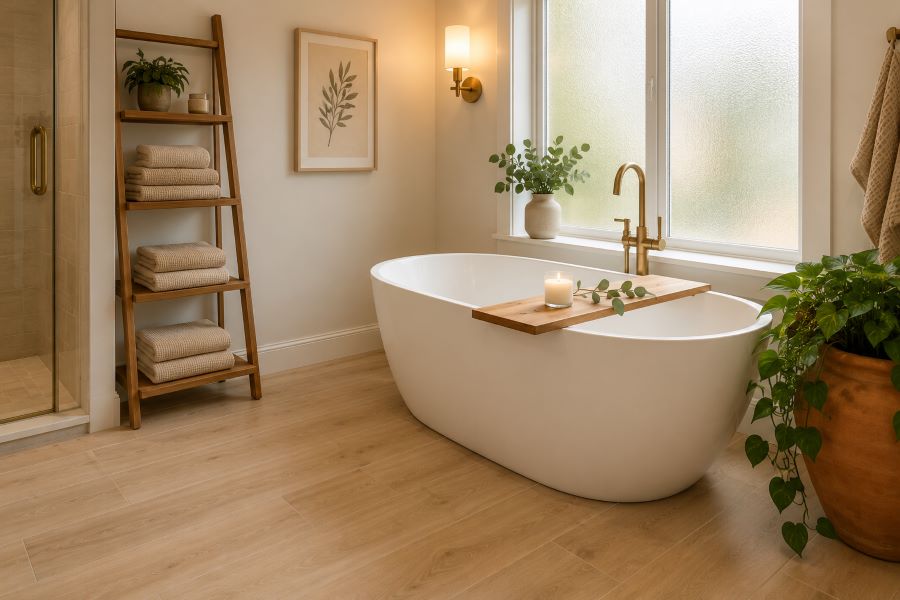
Wood-look tiles are useful when you like the visual character of timber but want a tile surface. Plank-shaped pieces can reproduce the long lines and grain variation associated with wood while keeping the overall floor within a beige or sandy color range.
The layout can completely change the character of the installation. Straight planks create a calm, traditional appearance, while herringbone or chevron arrangements introduce more movement. In either case, pay attention to the undertone of the tile so it works with existing wood furniture rather than competing with it.
This style is particularly effective in open living areas where you want the floor to feel natural. It can bridge the gap between contemporary furniture and organic materials such as rattan, linen, cane, and light oak.
4. Large Format Beige Floor Tiles
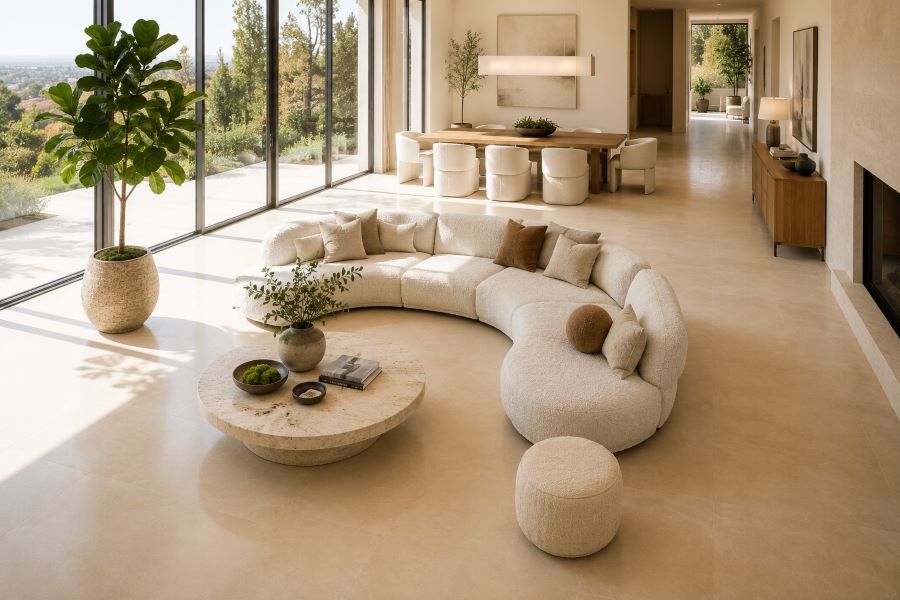
Large-format tiles can make a floor appear more continuous because fewer individual pieces and grout lines interrupt the surface. This can be especially helpful in smaller rooms, where a heavily segmented floor may make the space feel visually busier.
They also work well across open-plan layouts. When the same flooring continues from the living area into another connected space, it can create a stronger sense of continuity.
Why Large Format Tiles Makes a Big Impact
- Gives the floor a more uninterrupted appearance
- Creates fewer visible grout lines
- Works especially well in open layouts
- Can make compact spaces feel visually calmer
- Provides a clean foundation for layered interiors
Installation matters with large tiles. The floor needs appropriate preparation and careful alignment because uneven surfaces or poorly planned grout lines can become more noticeable with larger formats. A professional installation can make a significant difference to the finished result.
5. Beige Travertine-Style Tiles
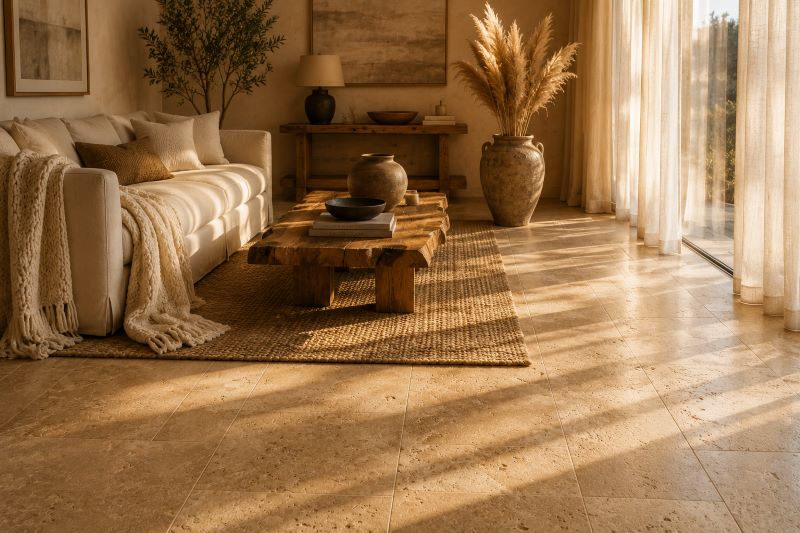
Travertine-style flooring brings natural variation into a beige interior instead of giving you a completely uniform surface. Its cloudy markings, tonal shifts, and stone-inspired appearance can make a room feel more grounded and tactile.
This style fits naturally into organic modern, Mediterranean, rustic, and relaxed contemporary interiors. It pairs particularly well with plaster-look walls, linen curtains, light oak, woven furniture, and other materials that have visible texture.
Example: A Warm Organic Living Room
A living room with travertine-style beige flooring could include a low-profile cream sofa, an irregular wood coffee table, linen curtains, and a few woven accessories. Instead of covering the room with decoration, let the natural variation in the flooring contribute some of the visual depth.
This creates an interior that feels collected and relaxed. The floor becomes part of the material story rather than simply acting as a neutral surface underneath the furniture.
6. Beige Hexagon Floor Tiles
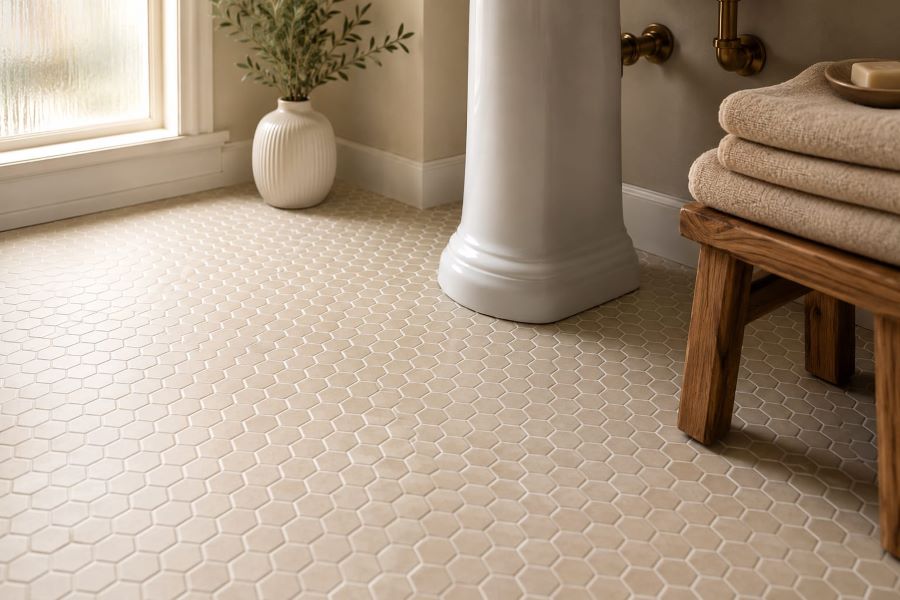
Hexagon tiles are a good way to introduce geometry when you want something more distinctive than conventional square or rectangular flooring. Beige keeps the unusual shape understated, allowing the pattern to add interest without demanding a strong color contrast.
They can be particularly effective in bathrooms, powder rooms, and entryways where smaller tile formats often suit the scale of the area. The grout is important here because it determines how clearly the individual hexagons are defined.
Why These Tiles Are Perfect Touch
- Adds geometric character without bold color
- Works well in smaller rooms
- Can create distinctive floor patterns
- Suits bathrooms and entryways
- Looks different with varied grout choices
A closely matched grout will create a softer, more blended appearance. If you want the geometry to become part of the room’s design, a little more contrast can make the pattern easier to see.
If you love this floor design, check out our complete Beige Bathroom Decor Ideas for more inspiration.
7. Beige Terrazzo Floor Tiles
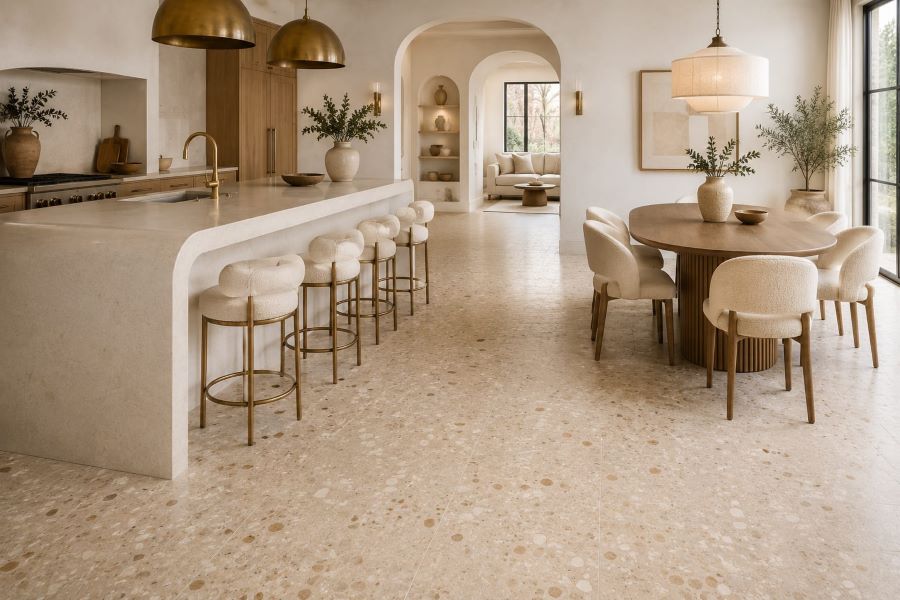
Terrazzo brings personality to beige flooring through small chips and flecks distributed throughout the surface. Instead of depending on veining or a repeating geometric shape, the visual interest comes from the scattered material within the tile.
This makes terrazzo particularly useful when you want a floor that feels neutral from a distance but reveals more detail up close. The colors within the terrazzo can also help connect different elements in the room.
For example, if the terrazzo contains subtle cream, taupe, or brown pieces, those tones can be repeated through cabinetry, furniture, or accessories. This creates a more considered palette without requiring everything to be the exact same beige.
8. Beige Subway Floor Tiles
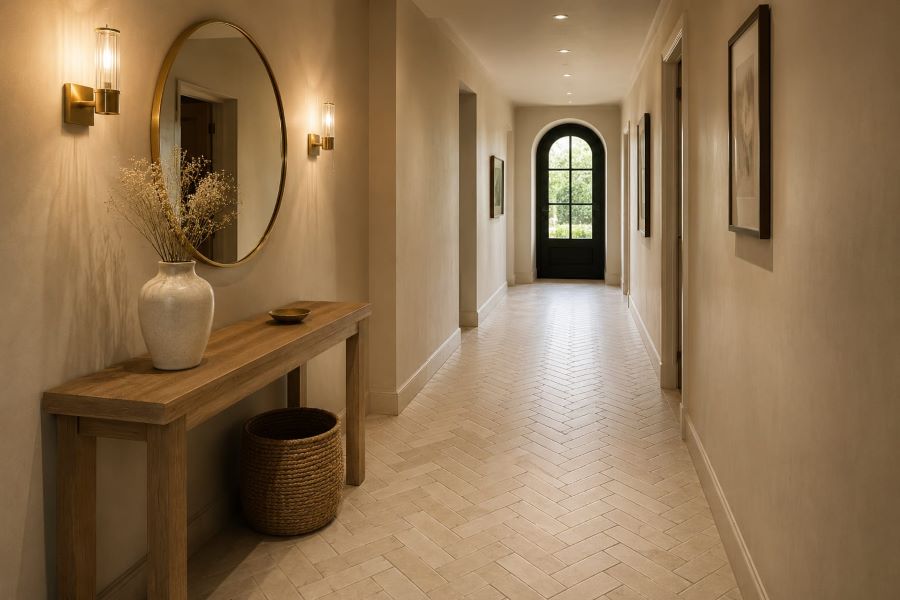
Subway tiles are traditionally associated with walls, but a rectangular format can also create an interesting floor when installed with the right layout. Beige gives the familiar shape a softer appearance and makes it easier to integrate with warm neutral interiors.
A straightforward arrangement keeps the flooring relatively quiet. Changing the direction into a herringbone or another pattern makes the installation more decorative without needing a different tile color.
Why to Choose Subway Tiles
- Gives rectangular tiles a timeless appearance
- Works across several decorating styles
- Offers multiple installation patterns
- Can create subtle directional movement
- Pairs easily with warm neutral finishes
Consider the grout before installation. Matching grout will make the surface feel calmer, while a contrasting line will emphasize the geometry. In a room with patterned walls or detailed cabinetry, the quieter option is usually easier to balance.
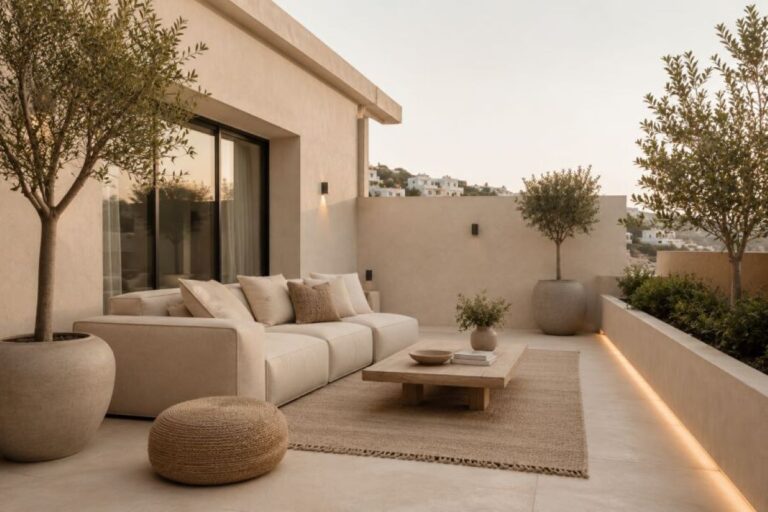
9. Beige Outdoor Floor Tiles
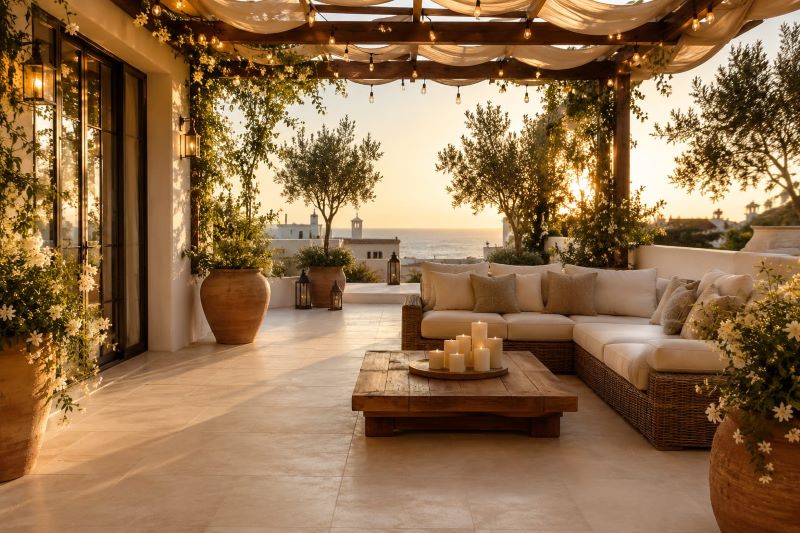
Outdoor flooring has different requirements from flooring used inside the home, so the visual appeal should not be the only consideration. For patios, terraces, and other exposed areas, select tiles specifically intended for outdoor conditions and check the manufacturer’s guidance for slip resistance and installation.
Beige works particularly well outdoors because it sits naturally alongside stone, timber, greenery, and neutral furniture. A warm sandy floor can make an outdoor seating area feel like an extension of an interior rather than a completely separate zone.
Why These Tiles Are a Brilliant Choice
- Creates a natural backdrop for outdoor furniture
- Works well with greenery and stone
- Suitable outdoor finishes are widely available
- Can visually connect indoor and outdoor areas
- Neutral tones complement changing seasonal decor
For a cohesive transition, coordinate the outdoor tile with nearby indoor flooring or architectural finishes where possible. Even when the materials are not identical, similar undertones can make the two areas feel intentionally connected.
10. Beige Mosaic Floor Tiles
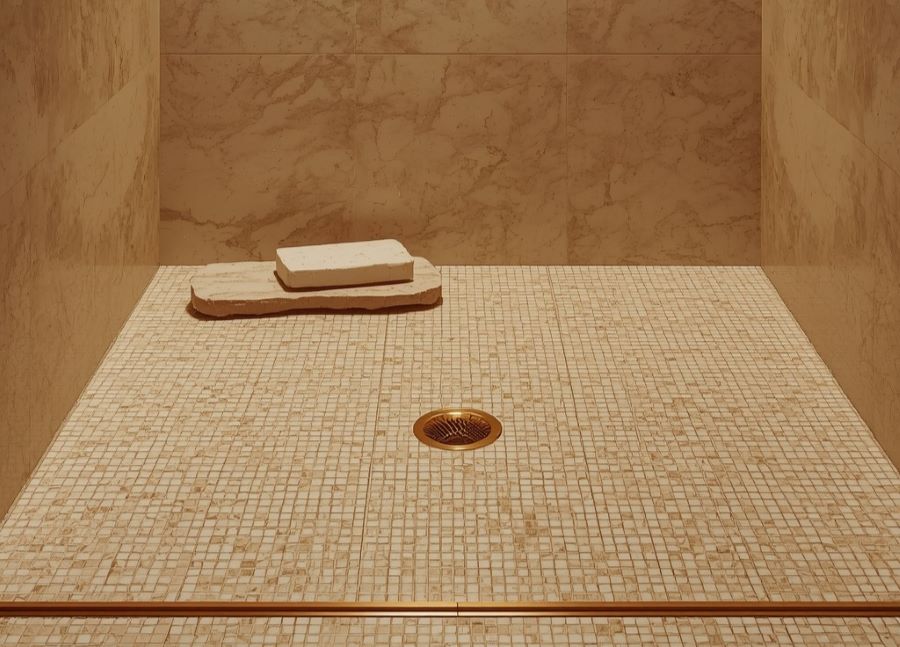
Mosaic flooring can bring intricate detail into a beige room through small pieces arranged in a repeated pattern. It is particularly useful when you want the floor itself to contribute character rather than relying entirely on furniture or wall decor.
Bathrooms are a natural setting for mosaics because the smaller pieces can work well around different floor areas and create a decorative finish. A restrained beige mosaic can also support a spa-inspired atmosphere without depending on bright colors.
Because mosaic patterns already provide detail, keep the surrounding surfaces relatively controlled. Simple cabinetry, quiet wall colors, and uncomplicated fixtures will allow the floor to remain distinctive without making the room feel overloaded.
How to Choose Beige Floor Tiles for Your Home
Start With How the Room Is Used
The best-looking tile is not necessarily the best choice for every room. Think about foot traffic, moisture, cleaning requirements, furniture movement, and how frequently the floor will be exposed to spills or dirt before settling on a material.
Look at the Undertone
Not every beige is the same. Some tiles lean toward cream, yellow, taupe, gray, or sandy brown. Compare samples with your existing walls, cabinetry, wood finishes, and upholstery so the floor does not introduce an unexpected undertone.
Decide How Much Pattern You Want
Marble veining, terrazzo chips, travertine variation, and geometric layouts all create different levels of visual activity. If the room already has patterned furniture or wallpaper, a quieter floor may create better balance.
Choose a Tile Size That Suits the Space
Large-format tiles can create a calmer, more continuous surface, while smaller tiles offer more opportunities for pattern. Consider both the room’s dimensions and the style you want rather than choosing a size based only on current trends.
Pay Attention to the Surface Finish
A matte tile can give the floor a softer, natural appearance, while a polished surface reflects more light and creates a more refined effect. In areas exposed to water, always choose a finish and slip resistance appropriate for the intended use.
Treat Grout as Part of the Design
Grout is easy to overlook, but it can change the appearance of the entire floor. A similar grout color allows the tiles to blend together, while contrast highlights individual shapes and installation patterns.
Order Samples Before Making a Final Choice
A tile can look completely different under showroom lighting than it does in your home. If possible, view samples in both daylight and evening light and place them beside your actual furniture and wall colors before committing.
Think About Long-Term Maintenance
Ask about cleaning, sealing requirements, stain resistance, and replacement availability before purchasing. Flooring is a long-term investment, so practical maintenance should be considered alongside appearance.
Frequently Asked Questions About Beige Floor Tiles
What furniture colors work best with beige floor tiles?
Beige flooring works with a wide range of furniture colors, including cream, white, natural wood, taupe, soft gray, and darker brown. Black or deep charcoal pieces can also provide contrast when the rest of the room remains relatively light.
Are beige floor tiles suitable for homes with pets and children?
Many tile types can be suitable for busy households because they provide a hard, durable surface that is generally straightforward to clean. However, performance varies between products, so check the manufacturer’s specifications for durability, stain resistance, and appropriate use before choosing a tile.
What tile finish is best for beige floor tiles: matte or glossy?
There is no single finish that works best for every room. Matte tiles tend to create a quieter, more natural appearance, while glossy surfaces reflect more light and can look more polished. For floors, especially in wet areas, the appropriate slip resistance should be a priority.
Can beige floor tiles be mixed with other tile styles?
Yes. Different beige tile styles can work together when there is a clear connection between them. You might use a larger neutral tile across the main floor and introduce a mosaic or geometric tile in a smaller defined area. Keeping the undertones compatible helps the combination feel intentional.
Which beige floor tile style adds the most value to a home?
Timeless, well-installed flooring generally has broader appeal than highly specific trend-driven designs. Quality porcelain, understated stone-inspired tiles, and classic neutral finishes can be versatile choices because they work with many decorating styles. Good installation and choosing a product suitable for the room are equally important.
Beige flooring does much more than provide a neutral surface underfoot. The material, scale, pattern, finish, and undertone can change how a room looks and functions, even when the overall color remains beige. Marble-look porcelain can create a refined setting, travertine-style tiles bring organic variation, wood-look planks add warmth, while terrazzo and mosaics offer more personality.
The strongest choice is the one that fits the room’s practical demands as well as its design direction. By considering samples, grout, maintenance, lighting, and surrounding materials before installation, you can create flooring that continues to work beautifully as the rest of your home evolves.
If you are looking for more ways to style your home with beige, do not miss my Beige Ceiling Decor and Beige Accent Wall Ideas for a complete room transformation.