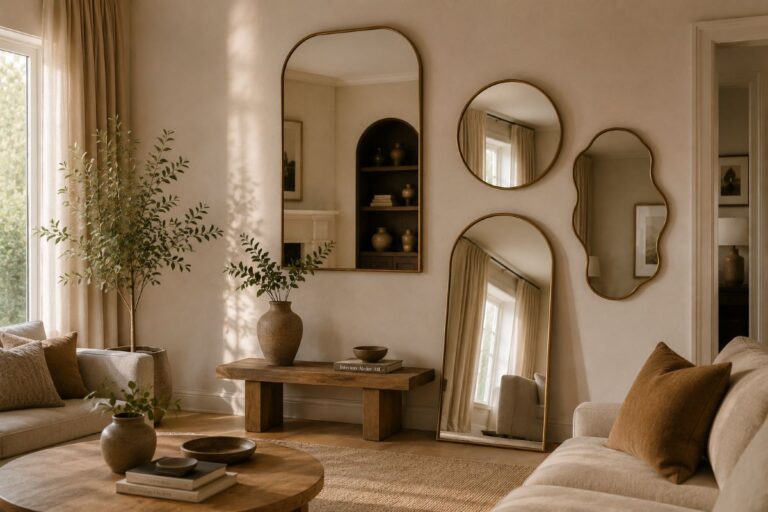
12 Beige Accent Wall Ideas to Add Warmth, Texture, and Timeless Style
A beige accent wall can make room cozy without feel overly decorated. The color works especially well with natural wood, stone, linen, woven materials, and soft neutral furniture, which makes it easy to build a layered interior around it. But the finish you choose matters just as much as the color. Before choosing an accent wall, consider the room’s natural light, existing furniture, ceiling height, and how much visual texture the space already has.
The right beige accent wall can also serve a practical purpose. Built-in niches can provide display space, wood panels can add warmth, and carefully planned lighting can highlight architectural details after dark.
Whether you want a subtle change or a more noticeable focal point, these ideas offer different ways to make a plain wall feel more intentional while keeping the overall atmosphere calm and timeless.
If you love these ideas follow us on Pinterest board for more inspiration.
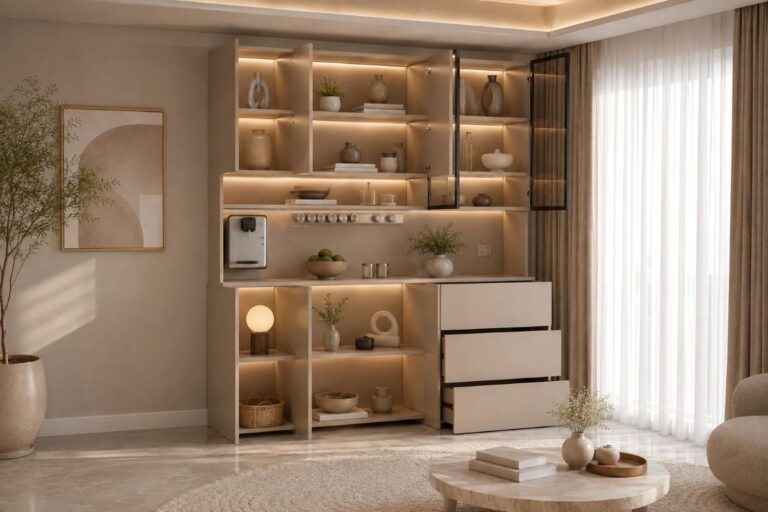
1. Beige LED Niche Accent Wall with Candles

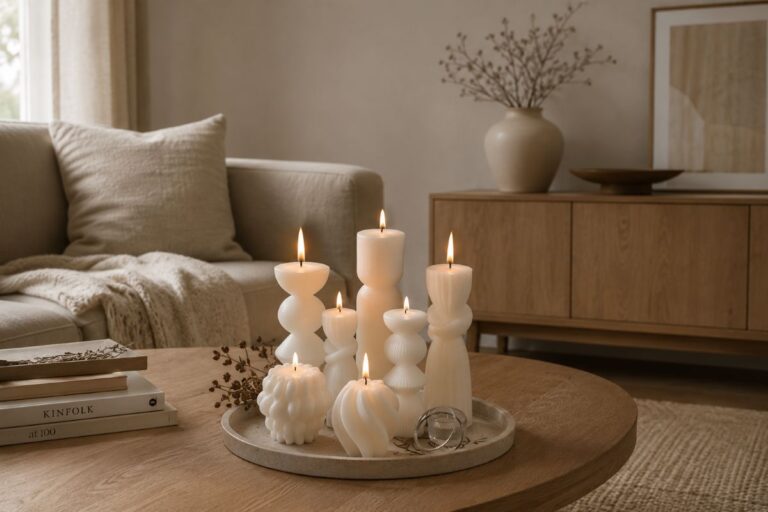
A beige LED niche accent wall combines architectural detail with soft ambient lighting. Recessed niches give a plain wall more depth, while warm LEDs draw attention to the individual openings after sunset. Cream candles and understated ceramics can add another layer without introducing strong colors.
This design works especially well behind a sofa, in a bedroom, or along an entryway wall. The niches can serve as both decoration and display space, which makes the feature more useful than a purely decorative painted wall.
Key Elements for This Niche Wall
- Design niches in different but balanced sizes
- Install warm LED strip lighting inside niches
- Style niches with cream pillar candles
- Apply a warm beige plaster or paint finish
Keep the decorative pieces limited so the niches remain easy to see. Dimmable LEDs are also a practical choice because the lighting can be softened in the evening instead of staying at full brightness.
2. Beige Arched Niche Accent Wall

A beige arched niche accent wall creates elegant design without relying on a bold color. The rounded openings soften the straight lines commonly found in sofas, cabinets, tables, and shelving, while the beige finish keeps the overall feature calm.
The niches can hold ceramics, books, small artwork, or dried botanicals. In a living room, an arched niche can sit behind a sofa, while in a bedroom it can create a subtle feature behind a nightstand or beside the bed.
The proportions are important. Instead of filling the entire wall with arches, leave enough surrounding space for each opening to remain visually distinct. This makes the curves feel intentional rather than crowded.
3. Beige Wooden Panel Accent Wall

A beige wooden panel accent wall adds natural grain and repeated lines to a room that may otherwise feel visually flat. Full-height panels can emphasize vertical space, while wider horizontal panels can create a different sense of proportion.
This treatment works particularly well behind a sofa, bed, dining table, or home office desk. It can also become more functional when combined with shelving or built-in storage.
Example: Beige Wood Panel Wall Behind a Sofa
A living room could use light beige wood panels behind a cream sofa, with a slim console, ceramic accessories, and warm wall lighting placed in front. The wood gives the wall enough character that additional artwork is not necessary.
If the room already has wooden flooring or furniture, choose a panel finish that complements those tones rather than trying to match every wood surface exactly.
4. Beige Fluted Panel Accent Wall

A beige fluted panel accent wall creates depth through this design. The repeated lines add texture while keeping the color simple, making this treatment suitable for bedrooms, living rooms, and entryways.
The vertical direction can also make a wall appear taller, which is useful in rooms where the ceiling height is modest. An arched section can soften the straight lines, while discreet lighting can emphasize the grooves after dark.
Keep the surrounding decor relatively simple. Plain upholstery, understated curtains, and a limited number of accessories will allow the fluted surface to remain the main feature instead of competing with it.
5. Beige Two-Tone Accent Wall

A beige two-tone accent wall creates visual depth. A lighter beige on the upper section and a deeper beige or taupe below can give a plain wall more structure while keeping the overall palette neutral.
This idea works well in bedrooms, dining rooms, hallways, and living rooms for elegant look. A console, bench, or low cabinet can sit along the lower section, visually connecting the painted division with the furniture.
Test both shades in the actual room before painting the entire wall. Beige can change noticeably depending on daylight, artificial lighting, and nearby flooring or furniture.
6. Beige Living Plant Accent Wall

A beige living plant accent wall brings greenery and create fresh look into a warm neutral setting. The muted background gives green foliage enough contrast to stand out, while shelves or wall-mounted planters create different heights and layers.
This idea is especially useful in living rooms, reading corners, home offices, and bright entryways. Instead of covering the whole wall with plants, a smaller collection can create a more controlled focal point.
Styling Tips
- Choose plants suited to available natural light
- Mix upright and trailing varieties
- Use planters in related neutral tones
- Leave breathing room between plant groupings
Consider the care requirements before choosing the plants. A beautiful display will be difficult to maintain if the selected varieties need more sunlight or watering than the room can provide.
7. Slat Wood Panel with Arch Niche accent Wall

A beige slat wood panel with arched niche creates two different forms of texture with balanced look. The vertical slats create rhythm and warmth, while the smooth curved niche breaks up the repeated lines.
This combination works well on larger living-room walls, dining areas, and entryways. The niche can display a ceramic vessel, artwork, or a small arrangement of dried stems without needing a large collection of accessories.
The wall will usually look better when one element is allowed to lead. If the slats are visually strong, keep the niche styling simple so the two features do not compete for attention.
8. Beige LED Arch Wall with Niches

A beige LED arch wall with surrounding niches can turn a large blank wall into an architectural focal point. The illuminated arch creates a soft outline, while smaller niches provide display areas for books, ceramics, or personal objects.
This treatment can work particularly well behind a sofa or on a wide living-room wall. It gives the room a strong feature without depending on a bright accent color.
Use warm, diffused lighting rather than an overly intense LED strip. The furniture placed in front of the wall should also remain relatively simple so the architectural feature has enough visual space.
9. Beige Limewash Accent Wall

A beige limewash accent wall adds movement through subtle tonal variation. Unlike standard paint, the finish can show soft brush marks and cloudy changes that become more noticeable as daylight moves across the surface.
Limewash works naturally with Mediterranean, rustic, organic modern, and quiet luxury interiors. It can be particularly effective behind a bed, sofa, fireplace, or dining table where the wall already has a clear visual purpose.
Example: Beige Limewash Bedroom Wall
A bedroom with a warm beige limewash wall behind the bed can be paired with linen bedding, a natural wood nightstand, and soft bedside lighting. The wall provides texture without needing artwork above the headboard.
The application technique affects the final appearance, so test a small section first and follow the product’s preparation and application instructions carefully.
10. Beige Shiplap Accent Wall

A beige shiplap accent wall adds horizontal texture through evenly spaced boards. Because the lines run across the wall, they can visually emphasize width and work well in rooms that need a little more horizontal definition.
Shiplap pairs naturally with farmhouse, coastal, cottage, and relaxed organic interiors. It can also feel more contemporary when combined with simple furniture, minimal accessories, and clean lighting.
Think about the visibility of the seams before installation. A stronger contrast between the boards and gaps creates a more noticeable pattern, while closely matched tones give the wall a quieter appearance.
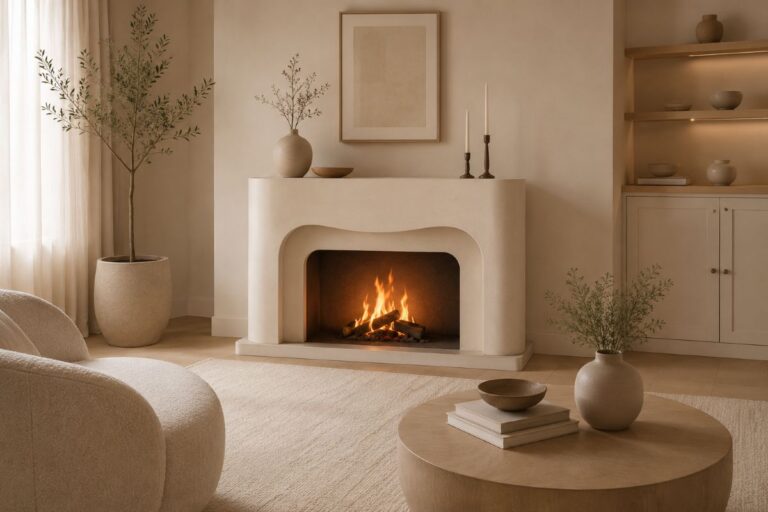
11. Beige Venetian Plaster wall

A beige Venetian plaster wall creates a refined, handcrafted surface with subtle tonal variation and, depending on the finish, a gentle sheen. It can make a room feel sophisticated without adding a printed pattern or strong color.
This treatment works particularly well behind a fireplace, sofa, dining table, or bed because these areas naturally act as focal points. The plaster can provide enough visual interest that the rest of the wall can remain almost completely undecorated.
The quality of the application matters considerably. Venetian plaster requires careful preparation and layering, so professional installation can be worthwhile when a polished finish is the goal. Consider the room’s lighting too, as directional light can emphasize the plaster’s variation.
12. Beige Grasscloth Wallpaper Accent Wall

A beige grasscloth wallpaper accent wall introduces woven texture and natural variation without the construction involved in built-in wall features. Its fibers create small changes in tone that give the wall a richer appearance than ordinary painted surfaces.
Grasscloth is especially effective behind beds, sofas, consoles, and fireplaces. Natural wood furniture and linen fabrics complement its texture without making the room feel overly coordinated.
Choose the wall carefully because natural grasscloth can be more delicate than washable wallpaper. It is generally better suited to areas where the surface will not experience frequent wiping, moisture, or heavy contact.
How to Choose the Right Beige Accent Wall for Your Space
Consider the Wall’s Natural Light
Observe the wall throughout the day before choosing the finish. Limewash, plaster, and textured materials can look very different in direct sunlight compared with evening lamp light. A sample placed on the actual wall will give you a more reliable impression than a small color card.
Match the Finish to the Room
Think about how the room is used. A delicate grasscloth wallpaper may suit a bedroom, while a more durable painted or paneled finish may be easier to maintain in a busy hallway. Bathrooms and other humid areas also require materials specifically suited to those conditions.
Think About Scale
The size of the wall should influence the design. A small niche can make a narrow wall more interesting without overwhelming it, while a large living-room wall may have enough space for full-height wood paneling or a larger architectural feature.
Coordinate With Existing Materials
Look at your flooring, furniture, doors, cabinetry, and textiles before selecting the beige tone. Warm wood, stone, linen, and woven materials usually work naturally with beige, but their undertones should still be considered so the finished room feels cohesive.
Decide How Much Texture You Need
If the room already contains patterned rugs, textured upholstery, detailed curtains, and decorative accessories, a simpler painted accent wall may create better balance. In a minimally furnished room, fluted panels, limewash, plaster, or grasscloth can provide useful visual depth.
Plan Lighting Early
Accent walls often look different after sunset, especially when they contain niches, arches, panels, or textured surfaces. Plan sconces, recessed lighting, or concealed LEDs before installation so the lighting highlights the feature rather than being added as an afterthought.
Frequently Asked Questions About Beige Accent Wall Ideas
Are beige accent walls still in style?
Yes. Beige remains a versatile neutral because it works across modern, traditional, organic modern, Japandi, and quiet luxury interiors. The finish and surrounding materials usually determine whether the wall feels contemporary, rustic, or classic.
What colors go well with a beige accent wall?
Beige pairs well with cream, warm white, taupe, greige, muted green, olive, terracotta, natural wood, and selected dark accents. The best combination depends on the undertone of the beige and the amount of contrast you want.
Which rooms are best for a beige accent wall?
Living rooms, bedrooms, dining rooms, entryways, and home offices are all good options. The material should be selected according to the room’s moisture, traffic, cleaning needs, and available natural light.
How can I make a beige accent wall more interesting?
Use texture or architecture instead of simply adding more decoration. Fluted panels, niches, wood slats, limewash, Venetian plaster, shiplap, and grasscloth wallpaper can all give a beige wall more depth while keeping the color palette calm.
Is beige a good choice for small rooms?
Yes, especially when a lighter beige is used. It can create a soft background without making the room feel visually busy. However, heavily textured features should be scaled carefully so they do not overwhelm a compact space.
How do I decorate around a beige accent wall?
Start with materials that complement the wall rather than adding many new colors. Natural wood, linen, cream upholstery, woven pieces, ceramics, greenery, and warm lighting can create layers while keeping the room cohesive.
A beige accent wall can be much more than a change of paint color. The right combination of texture, architecture, lighting, and material can give a plain wall a clear purpose while keeping the room comfortable and timeless.
A limewash finish creates soft movement, wood panels bring natural warmth, niches add useful display space, and textured wallpaper can make a wall feel richer without adding strong color.
Before choosing your design, consider the wall’s size, natural light, furniture placement, and how much texture the rest of the room already contains.
A successful accent wall should support the room rather than compete with it. When the finish and surrounding elements are chosen thoughtfully, beige can create a focal point that feels warm, balanced, and genuinely connected to the rest of the home.
You can also explore our Quiet Luxury Interior Design and Beige Curtain Ideas for more refined home inspiration.